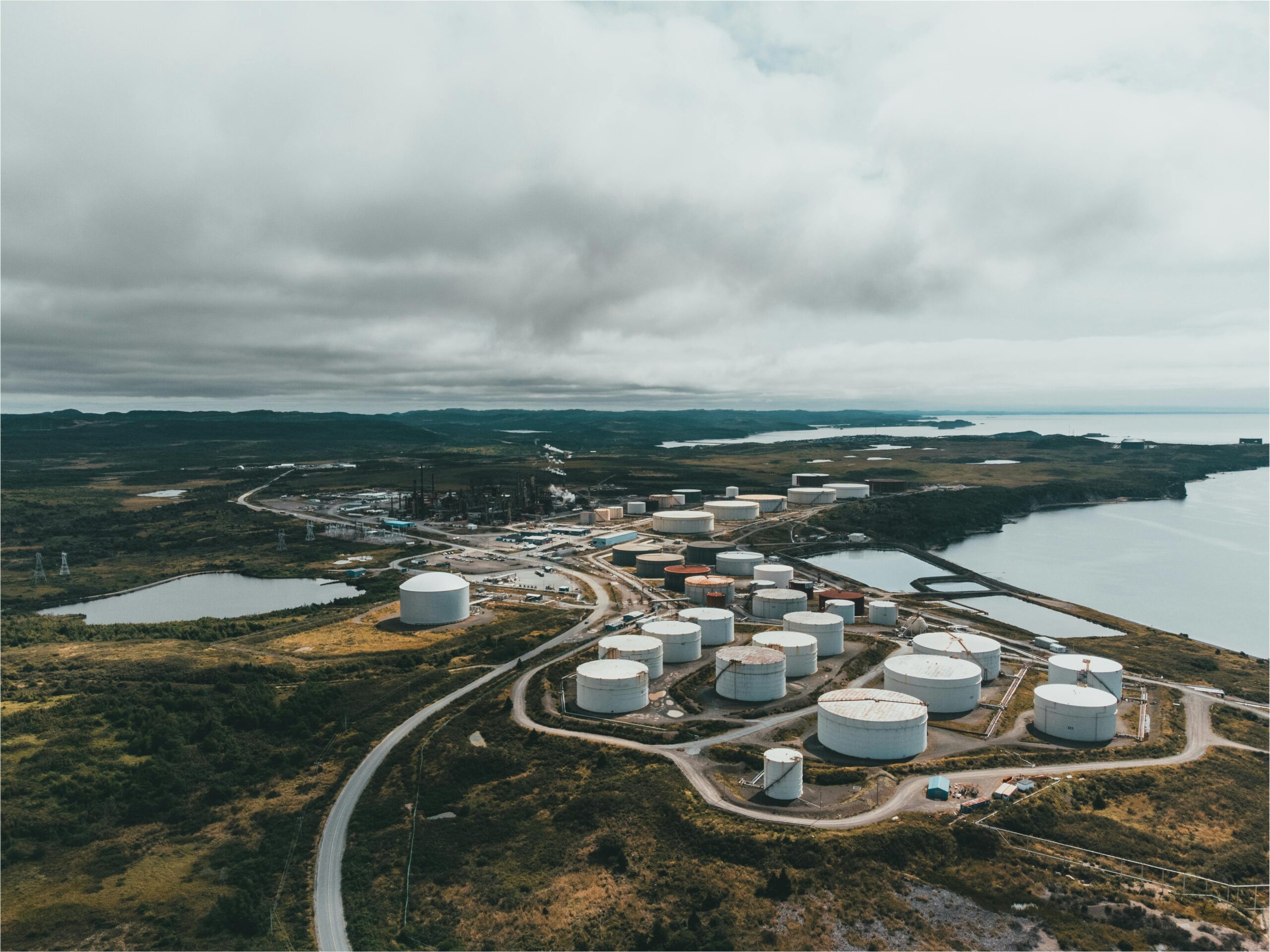
Fuel prices in Canada are once again on the rise, with economists warning that the worst may still be ahead as global energy market pressures intensify. The recent uptick in gasoline costs is expected to feed into broader inflation, adding new uncertainty to the country’s economic outlook at a time when price stability had begun to improve.
Rising Fuel Costs Signal Renewed Inflation Risk
After a period of relative stability, gasoline prices have begun climbing again, driven by higher global oil prices and ongoing geopolitical tensions. Analysts caution that these increases are likely to continue in the near term, with supply constraints and market volatility contributing to sustained upward pressure.
Because fuel costs are a key component of household spending and business operations, rising prices tend to ripple across the economy. Transportation, logistics and production costs all increase, ultimately feeding into consumer prices and raising inflation risks.
“Worst Yet to Come” – Market Expectations Shift
Economists suggest that current price increases may represent only the early stages of a broader trend. Seasonal demand, combined with global supply uncertainties, could push fuel prices even higher in the coming months.
This outlook reflects a shift in expectations. Earlier in the year, declining fuel costs had contributed to easing inflation figures. Now, that trend appears to be reversing, raising concerns that inflation could once again move away from the Bank of Canada’s target range.
Impact on Households and Consumer Spending
Higher fuel prices have an immediate and visible impact on Canadian households. Increased spending on gasoline reduces disposable income, which can dampen consumer activity across sectors such as retail, hospitality and services.
For businesses, particularly those reliant on transportation and logistics, rising fuel costs can squeeze margins or lead to higher prices for end consumers. This dynamic reinforces the broader inflationary effect and can slow overall economic momentum.
Policy Challenges for the Bank of Canada
The renewed pressure from energy prices presents a challenge for the Bank of Canada. While recent inflation data had supported expectations of a more accommodative monetary policy, rising fuel costs may complicate that outlook.
Central bankers must now assess whether the increase in fuel prices is temporary or likely to persist. If energy-driven inflation proves more durable, it could delay potential interest rate cuts and keep financial conditions tighter for longer.
Broader Economic Context
Canada’s economy remains sensitive to energy price fluctuations. While higher oil prices can support export revenues and the energy sector, they also act as a drag on consumption and increase inflationary pressure domestically.
This dual effect highlights the complexity of Canada’s economic structure, where energy remains both a source of strength and a potential source of volatility.
For the latest updates and insights on Canadian-Hungarian economic relations and merely Canadian economic news, follow the Canadian Chamber of Commerce in Hungary accross our platforms.
Written for the Canadian Chamber of Commerce in Hungary News Section as part of our ongoing coverage of developments affecting Canadian trade, economy and international partnerships, April 2026