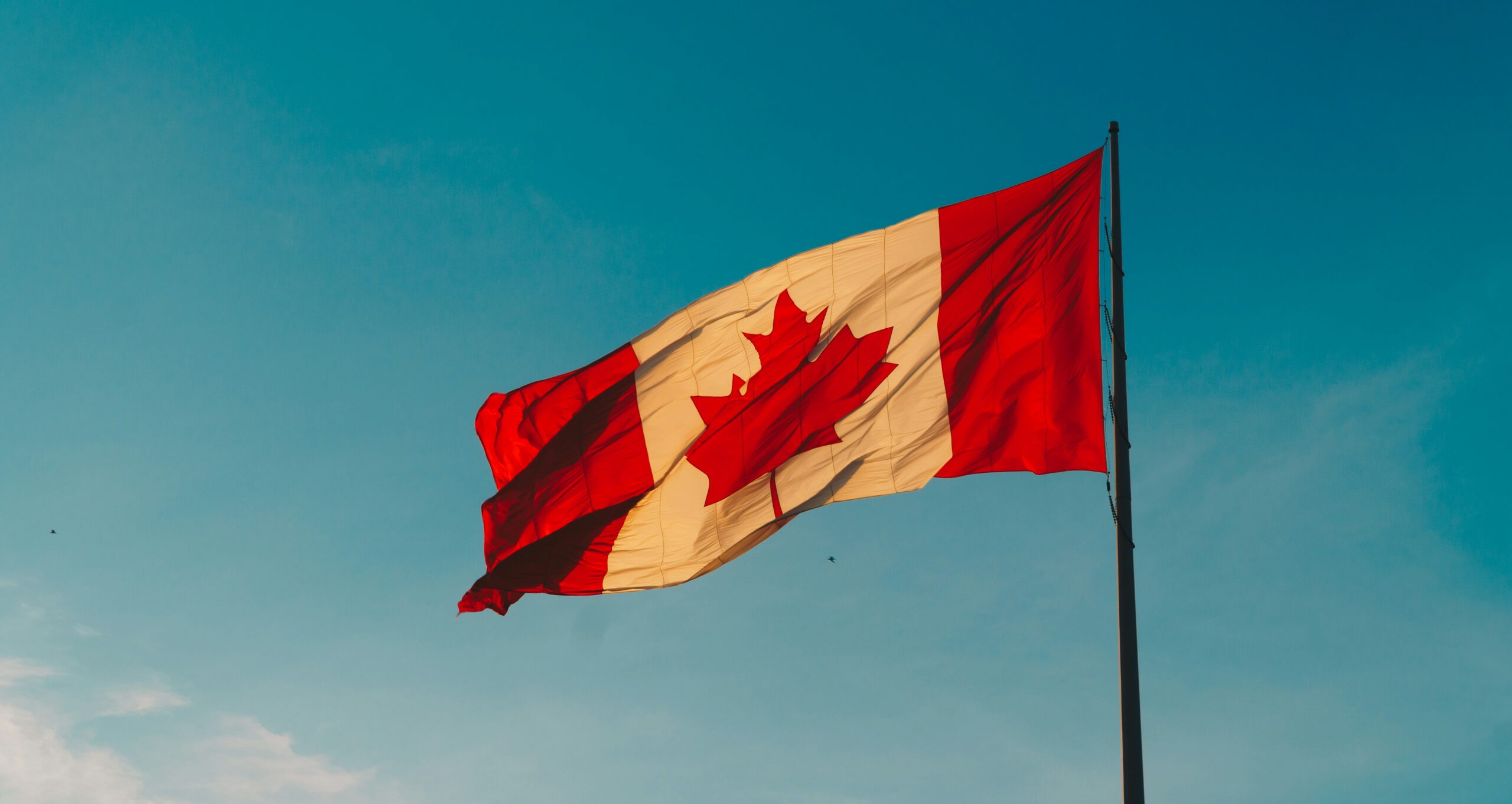
Since March 2025, Canada has become a focal point of escalating US trade policy. Early in the year, President Trump imposed a 25% tariff on most Canadian goods, excluding energy, which faced a 10% rate, measures he justified as addressing trade imbalance and border enforcement issues.
In response, Canada countered with its own 25% retaliatory tariffs on US exports valued at CAD 30 billion, with plans to expand to CAD 155 billion if pressures continued.
These tensions deepened this summer. On August 1, 2025, the US raised tariffs on Canadian goods not protected under USMCA to 35%, citing Ottawa’s insufficient action against fentanyl trafficking. Although Canada accounts for just about 1% of fentanyl entering the US, Prime Minister Mark Carney described the move as disproportionate, stressing Canada’s committed efforts to address the crisis.
This policy shift inflamed uncertainty across global markets. The move was part of a larger wave of tariffs on 69 trading partners, with duties ranging from 10% to 50% and raising the effective US tariff rate to 18%. Stock indices in the US and Europe fell, reflecting increased volatility and concern over trade fragmentation.
In Ottawa, the response has been cautious but resolute. Prime Minister Carney and trade officials have insisted negotiations must result in a “fair agreement” before any reversal of tariffs is possible. While trade talks continue, some Canadian negotiators have warned of pulling back mid-process if the situation does not improve. Federally mandated reforms aimed at safeguarding affected sectors, including steel, aluminum, and automotive are underway.
Broader Trade Impacts and Strategic Takeaways for CCCH
Although the escalation foregrounds Canada, the wider pattern of new tariffs, applied to countries from China to Brazil, India, Taiwan, and beyond signifies growing fragmentation in global trade norms. The reciprocal tariff ranges from 10% to 41%, depending on the country.
Financial markets responded with marked volatility. On the day of the announcement:
- The Toronto Stock Exchange (TSX) fell by 1.7%.
- The New York Stock Exchange (NYSE) dropped 1.5%.
- The Frankfurt DAX fell by 1.8%, and
- The Shanghai Composite Index declined by 2.1%.
These movements reflect deep investor concern over the potential for prolonged trade disruption and declining global growth. For multinational firms, the signal is clear: tariff risk has returned as a critical factor in supply chain and market strategy.
For the CCCH and its members, this unfolding context demands strategic recalibration:
- Export Diversification: Canadian businesses are now more inclined to seek European or CEE markets to reduce exposure to US policy volatility.
- Supply-Chain Resilience: Firms operating in or trading with Canada should reassess supplier footprints and tariff-sensitive input sources.
- Policy Advocacy: Stakeholders can explore how Hungary–Canada ties can serve as alternatives and promote stable trade flows amid shifting US relationships.
For the latest updates and insights on Canadian-Hungarian economic relations and merely Canadian economic news, follow the Canadian Chamber of Commerce in Hungary accross our platforms.
Written for the Canadian Chamber of Commerce in Hungary News Section as part of our ongoing coverage of developments affecting Canadian trade, economy and international partnerships, August 2025